


Diesel engines are the workhorses of many industries, prized for their power and efficiency. However, their sophisticated fuel systems are particularly sensitive to contamination. Even small amounts of impurities can lead to significant performance issues and costly repairs. Recognizing the early warning signs of diesel fuel contamination is crucial for preventing major problems.
In this post, we cover:
- 4 Common Symptoms of Contaminated Fuel
- The Leading Causes of Diesel Fuel Contamination
- How to Test for Diesel Fuel Contamination
- Ways You Can Address Contaminated Fuels
4 Common Symptoms of Contaminated Fuel
1. Frequently Clogged Fuel Filters
Your fuel filter plays a vital role in trapping contaminants before they reach the sensitive components of your fuel system. While routine filter changes are part of regular maintenance, a sudden and unexplained increase in how often your filters are clogging is a significant red flag.
Contaminants like dirt, rust, microbes, or even water can rapidly accumulate on the filter media, restricting fuel flow. This can lead to symptoms like:
- Reduced power,
- Difficulty starting engine
- Engine stalling
- Jerks or sputters at high RPMs
- Engine surging while idle
If you're finding yourself replacing fuel filters much more frequently than your recommended service intervals, it's highly likely your fuel supply is contaminated and needs investigation.
2. Failing Fuel Pump
The fuel pump is the heart of your diesel fuel system, responsible for delivering fuel from the tank to the engine at the correct pressure. Contaminated fuel can put undue stress on this critical component.
Abrasive particles can wear down internal pump components, while water and microbial growth can cause corrosion and blockages. Symptoms of a failing fuel pump are very similar to that of clogged filters and can include:
- Reduced Power
- Difficulty starting engine
- Jerks or sputters at high RPMs
- Engine surging while idle
Replacing a fuel pump can pose a significant expense, not only from replacing the part but also the opportunity cost of the downtime in doing so. This makes early detection of contamination even more important.
3. Reduced Engine Efficiency & Performance
Subtle engine malfunctions often escape notice until significant problems arise. Users rarely perceive gradual engine inefficiencies, yet these can severely impact operational effectiveness and profitability. A key contributor to such inefficiency is the often-overlooked partial failure of the fuel injection system.
While the equipment may remain operational, partial fuel injector failure typically diminishes engine efficiency and performance. Symptoms can include:
- Reduced engine power
- Increased fuel consumption
- Extended cycle times or reduced speed
- Smoke
- Frequent use of lower gears
- Unusual engine noise
- Difficulty starting engine
- Rough idling
Diagnosing the root cause of these subtle symptoms often requires specialized tools and equipment, delaying necessary repairs. Consequently, continued operation with a partially failing injection system elevates the risk of catastrophic engine or component failure.
Understanding the fuel injection system's role requires knowledge of the engine's stroke cycle illustrated below:
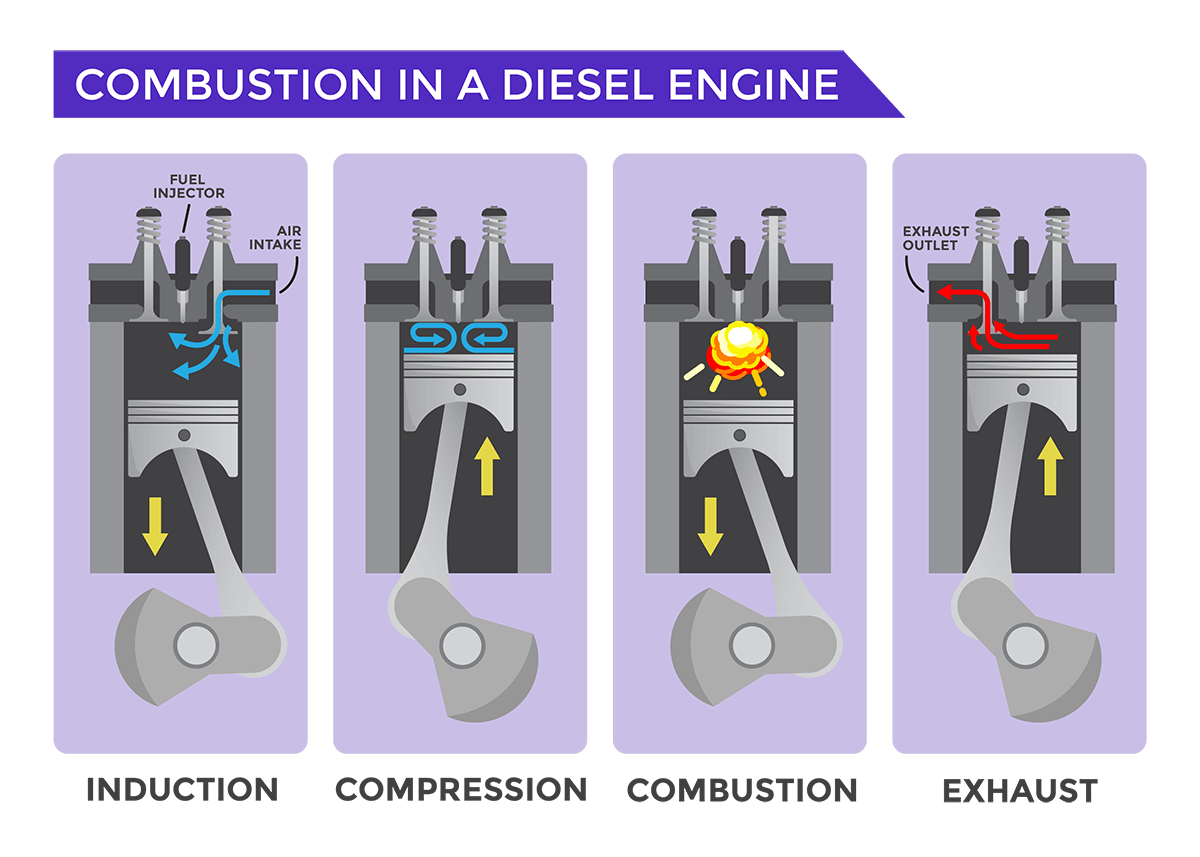
During the power stroke, injected fuel ignites within the cylinder, generating the energy that drives the machinery.
Diesel fuel injectors are manufactured with precise functional tolerances. When these injectors begin to fail or deviate from these specifications, the fuel spray pattern within the combustion chamber is significantly disrupted.
A primary cause of injector deviation is contaminated fuel. Prolonged exposure to impurities can corrode and degrade the injector’s internal metal surfaces.
Any of these factors can compromise the engineered functionality of a fuel injector, initiating a cascade of internal engine damage that can ultimately lead to complete engine failure.
4. Catastrophic Injector Failure
Sudden catastrophic failures halt engine operation immediately. These events invariably necessitate costly repairs and lead to prolonged equipment downtime. Given that operational continuity is crucial for maintaining revenue and profitability, proactive management, prediction, and prevention of these failures through diligent equipment maintenance and operation are paramount.
Original Equipment Manufacturers (OEMs) and equipment specialists typically adhere to recommended maintenance schedules designed to minimize component failure and extend equipment lifespan. OEMs often stipulate these procedures to uphold warranty agreements, with fuel injector replacement frequently recommended around the engine's half-life. This recommendation stems from the understanding that engines are often supplied with contaminated fuel, which can progressively damage injectors and compromise reliability.
While maintenance personnel manage engine upkeep and address potential issues, not all problems, particularly those arising from contaminated fuel, are entirely preventable. Operations managers often have limited control over fuel procurement.
The use of contaminated fuel initiates a chain reaction:
- Contaminated fuel flows through fuel injectors.
- The fuel injector valve begins to deteriorate.
- Fuel pressure and volume through the injection system decrease.
- The Engine Control Unit (ECU) increases fuel load to compensate.
- Reduced fuel atomization occurs.
- Soot accumulates within the cylinder.
- Exhaust emissions increase.
- Power loss is experienced (partial injection failure).
- Injector wear continues.
- Fuel consumption rises.
- Visible and audible signs of engine distress emerge.
- Full injection failure occurs.
Within a high-pressure common rail (HPCR) fuel injector, three primary components are most vulnerable to diesel fuel contamination:
- Fuel injector nozzle holes
- Needle valve and seat
- Electronic Piezo or solenoid-controlled valve
Fuel Injector Nozzles
Designed to spray a fine mist of fuel for efficient combustion, nozzles come in two designs, SAC (area around pintel tip) and VCO (valve-covered orifice).oviding a more stringent control of the fuel injection event. The two designs can be seen below.
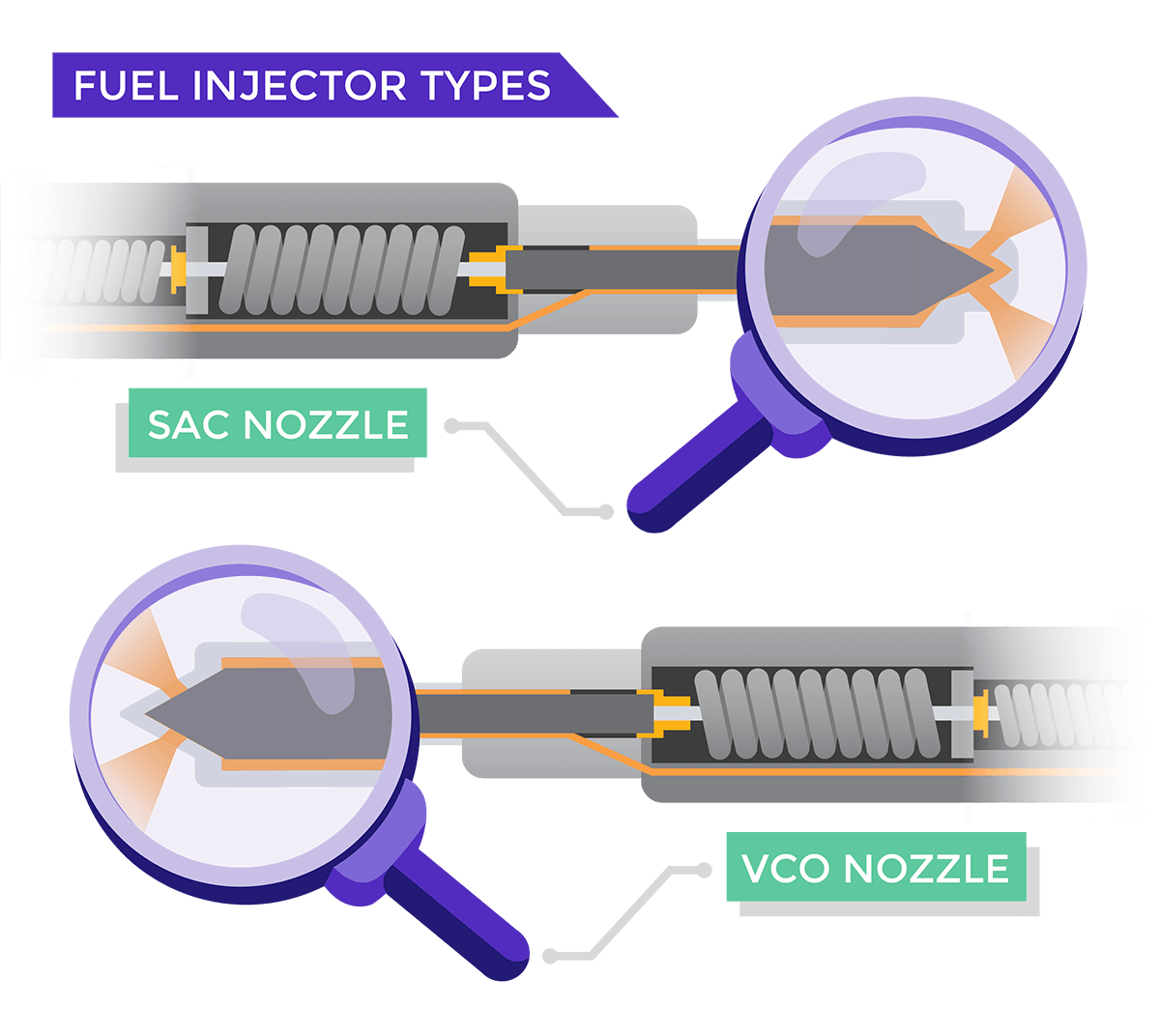
HPCR injectors predominantly utilize the VCO type, enabling rapid and complete fuel shut-off for precise injection control. The VCO needle valves have extremely tight tolerances and are highly susceptible to partial failure during their rapid opening and closing cycles, which can occur dozens of times per second. Nozzle holes are typically vulnerable to blockages and erosion.
The precision of HPCR injectors, while advantageous, makes them sensitive to conditions required for optimal combustion. Ideally, the injected fuel mist combusts entirely before reaching the cylinder walls, preventing damage. Incomplete combustion leads to soot buildup and increased harmful emissions like Nitrogen Oxide, Carbon Monoxide, and Particulate Matter.
HPCR injectors typically feature 5-8 precisely machined holes for fuel atomization. When injection occurs, the downward movement of the piston during the power stroke draws the fuel spray deeper into the combustion chamber.
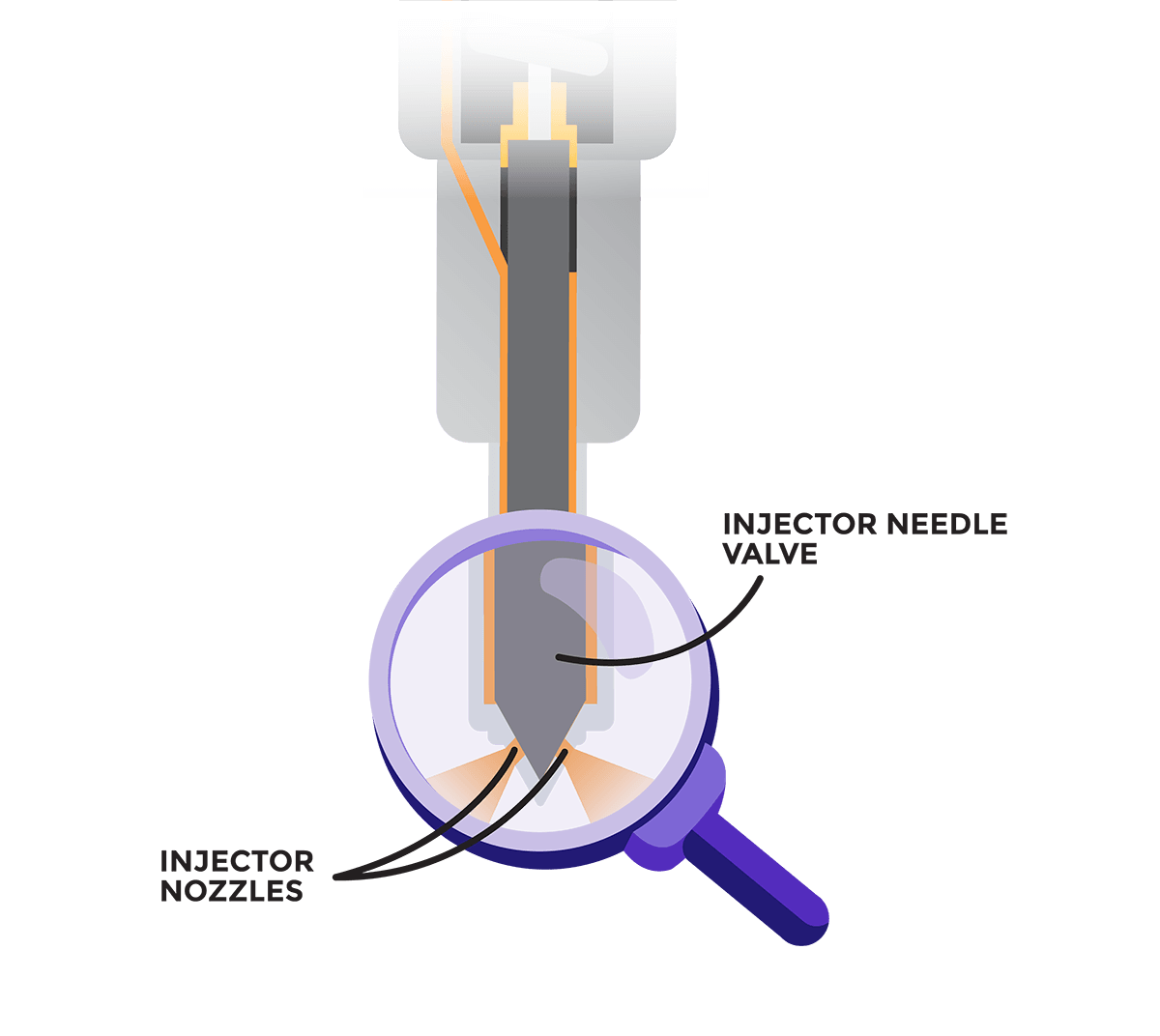
Compromised injector tolerances can result in larger fuel droplets that don't fully combust, leading to smoke and soot. If unaddressed, soot accumulates on injector tips, causing blockages that can also affect engine valves, cylinder walls, and the exhaust system.
Blockages in nozzle holes increase fuel velocity through the remaining openings, leading to ineffective atomization and contributing to engine inefficiencies and higher emissions.
While diesel fuel additives designed to clean soot buildup are often used as a perceived best practice during partial functional failures, they don't resolve the underlying issue of contaminated fuel, which continues to degrade injectors. Additives may only provide a temporary solution.
Fuel Injector Needle & Control Valve
Modern engines commonly use electronically controlled unit injectors (EUI) and high-pressure common rail injectors (HPCR).
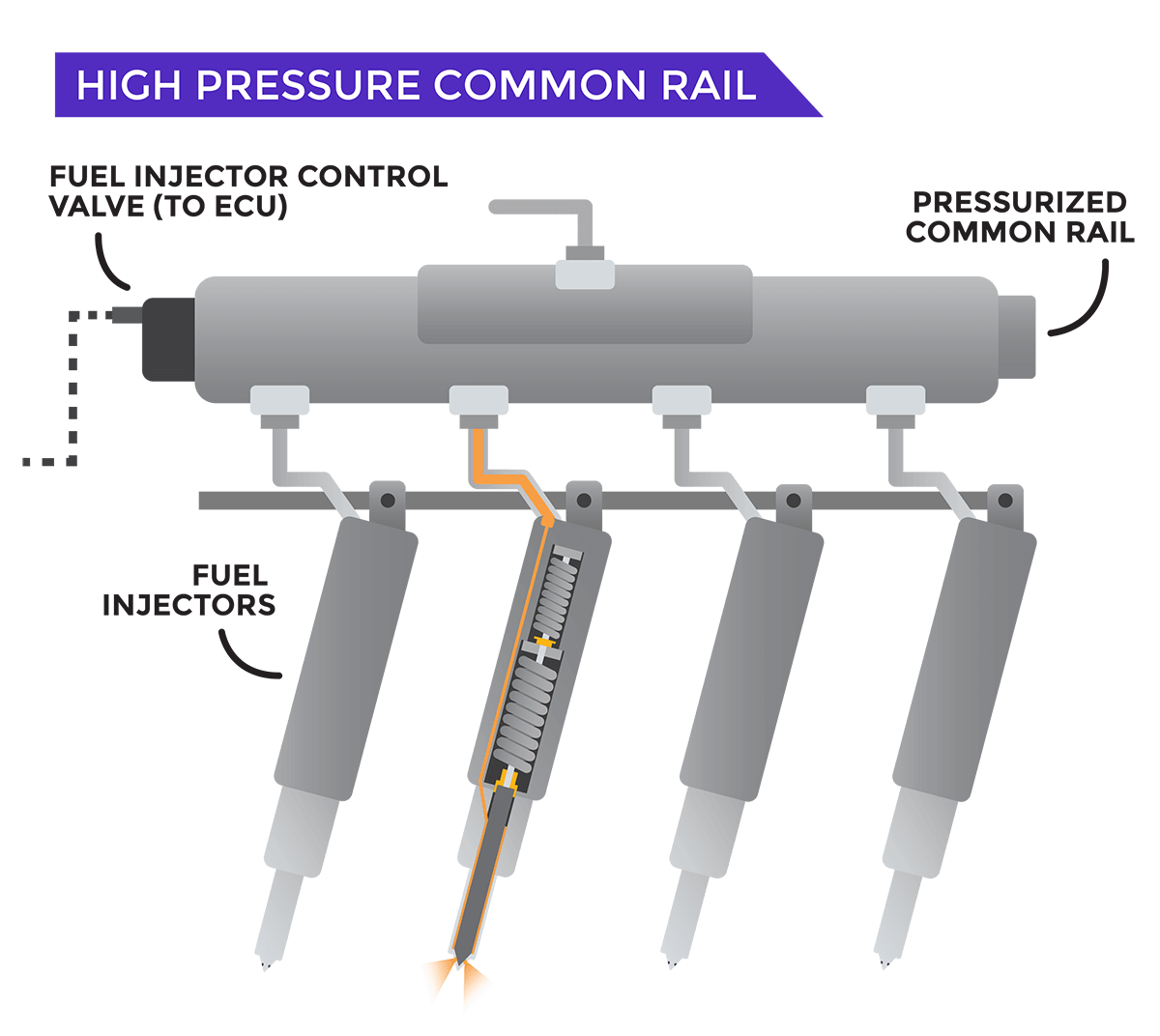
The needle valve in both types is crucial for stopping fuel flow after injection. Failure to seal properly results in fuel dripping into the cylinder, potentially causing severe engine damage and catastrophic failures. HPCR systems, with their continuous high pressure, are particularly susceptible to issues arising from a faulty needle valve.
Both EUI and HPCR injectors incorporate a control valve that manages injection timing. EUI injectors use a solenoid, while HPCR injectors utilize a Piezoelectric actuated valve.
Piezoelectric valves are often considered the most critical component in HPCR systems due to their precise control over valve movement and speed.
Electronic Piezo or solenoid-controlled valve
Electronic Piezo or solenoid-controlled valves are particularly sensitive to diesel fuel contamination, which can cause wear, damage, and deviations from designed tolerances.
Prolonged exposure to contaminated fuel can lead to contaminant buildup within the injector, hindering the needle valve's movement, causing wear, and eventually resulting in partial or complete functional failure of this critical component.
The Leading Causes of Diesel Fuel Contamination
Diesel fuel contamination is a significant threat to diesel engine performance and longevity. The primary culprits include particulates, water, and fuel degradation.
Particulates in the Fuel
Particulate contamination, the most common type, encompasses a wide range of foreign materials, from microscopic metallic fragments to dirt and grime introduced during the fuel's journey from refinery to the user. This extensive distribution network, involving numerous tankers, trucks, and vessels, presents multiple opportunities for contamination. Older fuel tanks, particularly those made of black iron, are prone to rust and corrosion, which can introduce particulates even into initially clean fuel.
Vibrations and sloshing during transport can further mix these contaminants throughout the fuel supply. This contaminated fuel can then spread to other storage tanks and equipment, creating a persistent problem for engine operators who often cannot trace the exact source of the contamination. Consequently, receiving contaminated fuel is often a matter of chance.
Water Contamination
Water in diesel fuel poses a particularly challenging threat, especially in large bulk storage tanks. Its presence can be difficult to detect without proper testing, as fuel handling often occurs out of sight. The consequences of water contamination can be costly, leading to significant engine damage.
Water can enter fuel through several pathways. Diesel fuel is hygroscopic, meaning it absorbs moisture from the surrounding air. This is especially problematic in partially filled tanks where a larger air-fuel interface allows for greater moisture absorption, leading to emulsified water suspended within the fuel. Condensation further contributes to this issue, creating an unfavorable fuel-to-water ratio. In severe cases, water that bypasses the fuel filter can cause fuel injector tips to explode. Even in smaller quantities, excessive water reduces the fuel's energy content, diminishing engine performance. Furthermore, water increases the fuel's freezing point, exacerbating gelling issues in cold climates.
Another form of water contamination is "free water," which settles as a separate layer beneath the fuel after phase separation. This free water creates an environment conducive to microbial growth.
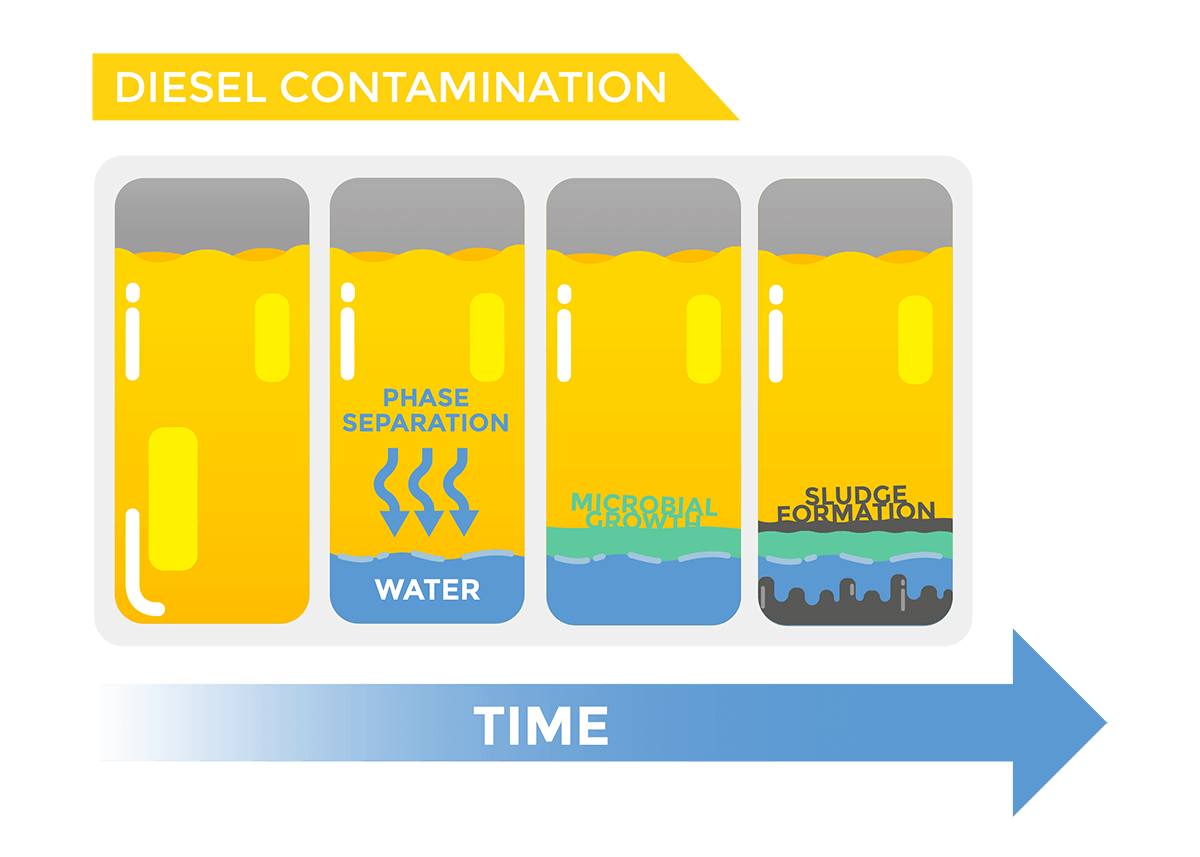
Microbes, often referred to as the "diesel bug" or "algae," thrive at the fuel-water interface, feeding on hydrocarbons and producing sludge as a byproduct. Ignoring free water allows this microbial proliferation to occur rapidly.
Fuel Degradation
Diesel fuel has a finite shelf life and will degrade over extended storage periods. Fresh, high-quality fuel is typically bright and clear. As fuel degrades, it darkens and becomes murky due to the formation of tar and asphaltenes.
High-sulfur diesel has a shorter shelf life (less than a year) compared to Ultra-Low Sulfur Diesel (ULSD) and biodiesel blends, which degrade even faster.
This loss of stability leads to the formation of gums and waxes that can cause corrosion and damaging deposits on engine components. Automotive mechanics routinely flush fuel systems and replace fuel in vehicles that have been sitting idle for even a few months due to this concern. While fuel stability might not be a primary concern for frequently used vehicles like fleet vehicles, it is crucial for equipment managers overseeing bulk fuel storage for fleets or backup generators.
Diesel fuel composition can begin to change within a month of storage, with a recommended maximum storage time of six months to one year under ideal conditions (clean tanks and quality fuel). To ensure fuel remains usable over extended periods, especially in large quantities, fuel polishing is recommended to maintain optimal quality.
How to Test for Diesel Fuel Contamination
To proactively identify diesel fuel contamination, regular sampling and testing of bulk fuel storage tanks are essential, ideally at least every six months. Various tools are available for this purpose, with the most common including:
Fluid Sampling Pumps
These pumps utilize flexible tubing to extract fluid samples from difficult-to-access areas within a tank. The design prevents cross-contamination as the fluid only contacts the tubing.
Fuel Tank Samplers ("Bacon Bombs")
These robust stainless steel devices are used to retrieve liquid samples from specific levels within a bulk fuel storage tank. Lowered to the desired depth, a plunger is activated (either upon bottom contact or via a pull-chain) to allow fuel to enter the sampler.
Laboratory Analysis
Once samples are collected using pumps or samplers, they are typically sent to a laboratory for comprehensive testing. However, this process can take several days or even weeks to yield results.
Kolor Kut® Water Finding Paste
This product provides an immediate indication of water presence in petroleum-based fuels like gasoline, kerosene, diesel, and heavy fuel oil. Applied to a dipping rod, the paste changes color instantly upon contact with water.
Liqui-Cult Microbial Test Kits
These kits enable on-site detection and quantification of bacterial and fungal growth in various fluids, including fuel samples. Results are typically available within a few days.
Proper Fuel Sampling & Testing Practices:
Consistent fuel testing allows for the early detection of contamination, enabling timely intervention. Based on the severity and volume of contaminated fuel, appropriate action plans can be developed and implemented.
Ways You Can Address Contaminated Fuels
What is Fuel Polishing?
Fuel polishing is a comprehensive fuel filtration technique widely employed across industries to restore and maintain the quality of stored fuel. These specialized filtration systems effectively remove and prevent various forms of contamination.
Mobile Fuel Polishing
Mobile fuel polishing systems offer a flexible solution for maintaining fuel quality across multiple storage tanks without the investment of installing numerous fixed units. These systems can be built onto portable carts or skids.nk.
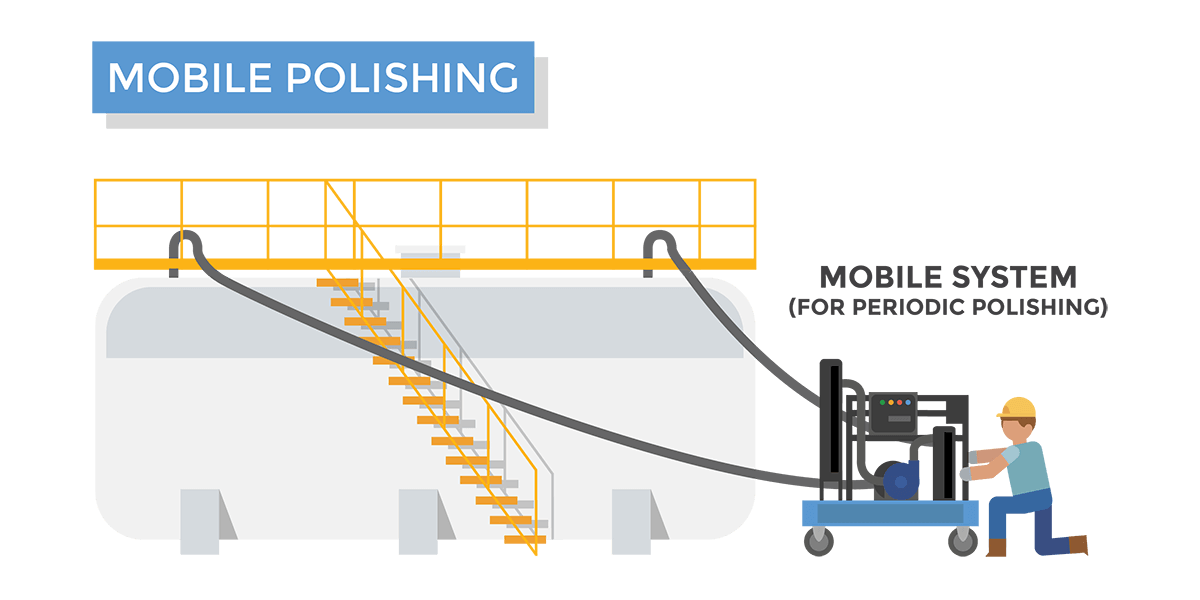
While convenient for servicing multiple tanks, mobile polishing requires scheduled deployment to maintain fuel cleanliness. A potential drawback is the cyclical nature: fuel is cleaned to the desired standard but can degrade again if left untreated, necessitating repeat servicing.
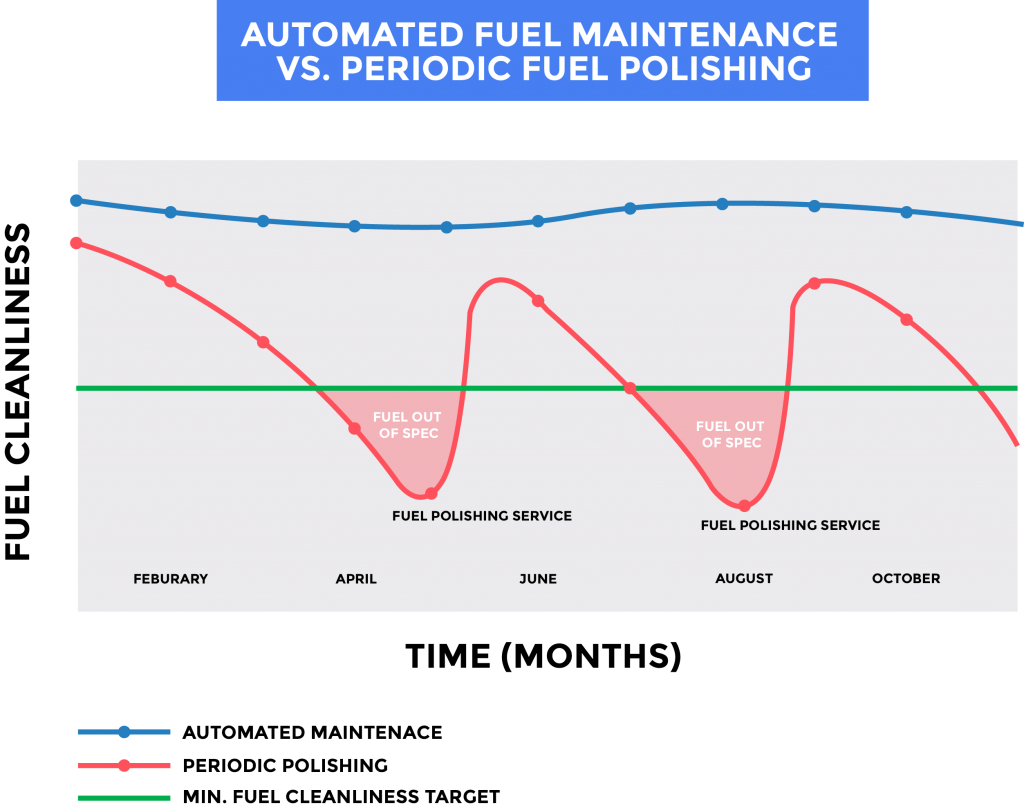
This cycle can become resource-intensive, especially for sites with numerous tanks requiring regular attention.
Automated Fuel Polishing
Automated, or fixed, fuel polishing systems offer a more consistent and less labor-intensive approach, particularly beneficial for facilities where frequent access for mobile units is impractical or undesirable. These systems, such as our Compact Fuel Maintenance and Enclosed Fuel Maintenance systems, are designed for scheduled, continuous fuel cycling and filtration.
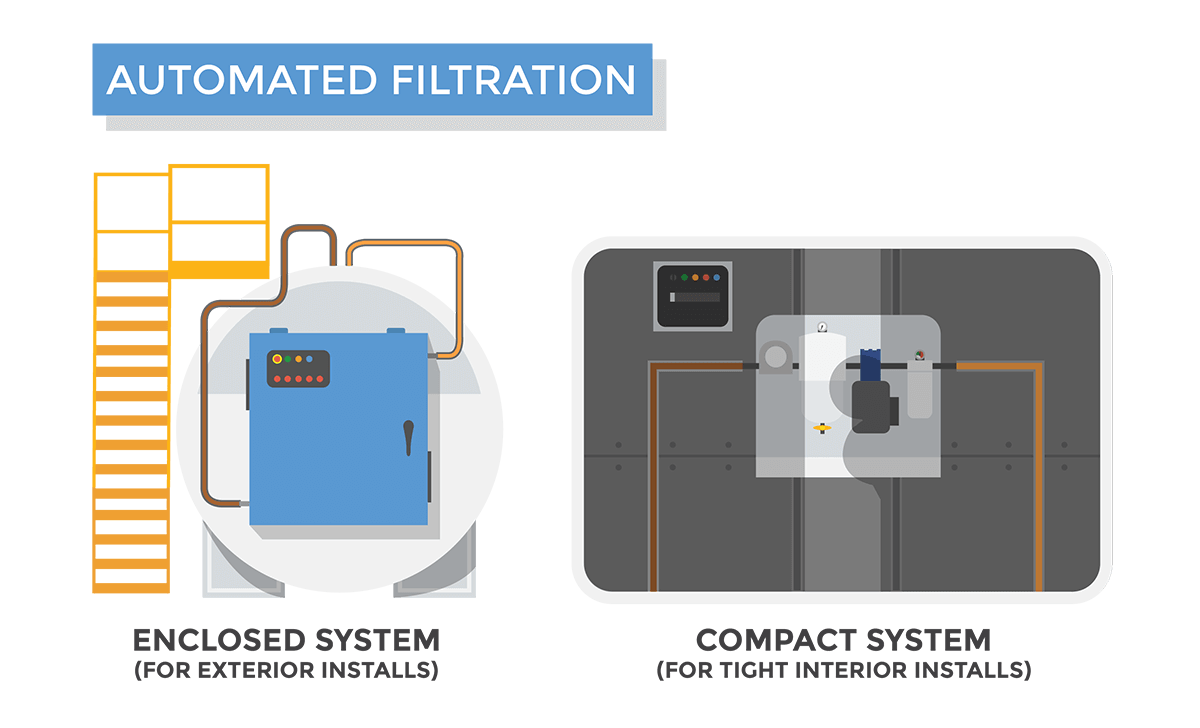
This eliminates the risk of fuel degrading below acceptable quality standards. This is particularly critical for facilities relying on backup power systems, such as hospitals and data centers, where uninterrupted power is essential.
Maintaining high fuel quality ensures the reliable operation of backup generators in the event of a power outage, safeguarding critical systems.
Types of Fuel Filtration
Effective fuel polishing systems incorporate several key components to ensure thorough cleaning and contamination removal:
- Particulate Filtration: This stage removes particulate matter, such as dirt, grime, and sludge, that can harm equipment. Fuel passes through filters with specific micron ratings, trapping these contaminants.
- Water Separation: Free water is separated from the passing fuel using centrifugal force, inhibiting the growth of microbial contaminants (the "diesel bug") that thrive in the presence of water. Removing water also protects the engine and fuel injection system from potential damage.
- Magnetic Conditioning: Systems like AXI International’s LG-X Inline Magnetic Fuel Conditioners utilize a magnetic field to capture metallic particles, including ferrous metals and rust, preventing them from reaching critical engine components. Rust often indicates the presence of water in the fuel tank. The magnetic field also weakens the intermolecular bonds in fuel molecule clusters (agglomeration), breaking them down and restoring the fuel to a more fluid state.
Fuel Additives
Fuel additives can complement fuel polishing efforts in addressing contamination issues. A wide range of additives is available, each targeting specific concerns:
- Fuel Stabilizers: These additives extend the storage life of fuel by preventing oxidation and chemical breakdown, particularly useful for fuel expected to sit for extended periods without active maintenance.
- Combustion Improvers: These can enhance engine performance by promoting a more complete combustion process, reducing carbon deposits and harmful exhaust emissions. They can also lead to improved engine responsiveness.
- Corrosion Inhibitors: These additives protect metal surfaces within the fuel system from corrosion, prolonging engine life and reducing unexpected maintenance needs. They form a protective film on components, acting as a lubricant and minimizing wear.
AXI International's AFC Fuel Additives offer a comprehensive solution, combining fuel stabilization, combustion enhancement, and corrosion inhibition in a single formula. Its concentrated nature makes it a cost-effective addition to a fuel maintenance schedule.
In a Nutshell
By understanding diesel fuel contamination—its nature, causes, testing methods, treatment, and prevention—we aim to highlight the critical importance of fuel quality for all your operations.
From the smallest lawnmower to the largest generator, fuel quality has a far-reaching logistical impact. It can be the underlying reason for a car that won't start or a generator that fails. In minor instances, simply replacing the fuel might resolve the issue before significant damage occurs, allowing you to resume operation.
However, this quick fix becomes a costly solution when dealing with large volumes of fuel, potentially thousands of gallons. In the worst-case scenario, contaminated fuel can further contaminate and inflict severe mechanical damage on the very equipment it's intended to power.
Engines and equipment are engineered to operate with a specific standard of fuel quality. When this standard isn't met—a frequent occurrence—gradual wear and component breakdown can lead to expensive repairs, especially within the sensitive fuel injection system.
To safeguard fuel quality and minimize the detrimental effects of contamination, implementing fuel maintenance systems and procedures is highly recommended. For individual consumers, this might involve using a fuel additive during vehicle refueling. At the business operational level, this could entail installing automated fuel management systems designed to polish bulk fuel and prevent the spread of contamination.
